
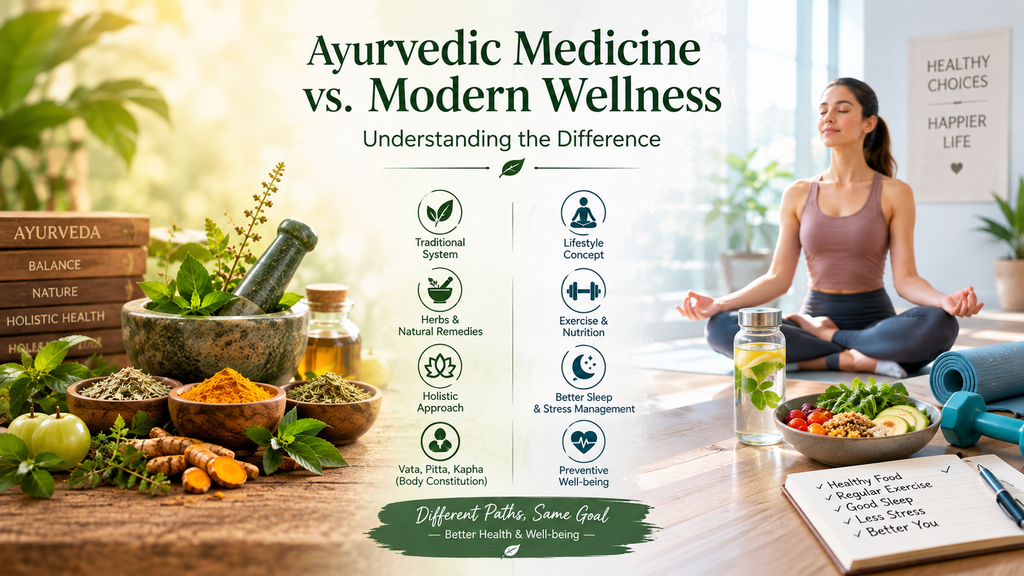
In today’s world, people are becoming increasingly interested in taking better care of their health and well-being. Alongside modern healthcare and wellness practices, traditional systems such as Ayurveda continue to attract attention. Although Ayurvedic medicine and modern wellness can have different approaches, both can encourage people to become more aware of their lifestyle and health choices.
What Is Ayurvedic Medicine?
Ayurveda is a traditional system of Indian medicine with a history spanning thousands of years. It takes a holistic view of well-being and traditionally considers factors such as diet, daily routines, lifestyle, environment, and individual constitution.
Ayurvedic practices commonly involve herbs, plant-based ingredients, dietary approaches, yoga, meditation, massage, and other traditional wellness practices. Ingredients such as turmeric, amla, neem, tulsi, ginger, and ashwagandha are well known within Indian herbal traditions.
The Ayurvedic approach generally emphasizes maintaining balance and supporting overall well-being rather than focusing only on a single aspect of health.
What Is Modern Wellness?
Modern wellness is a broad concept that focuses on making healthier lifestyle choices and supporting overall quality of life. It can include nutritious eating, regular exercise, sufficient sleep, stress management, mindfulness, personal care, and maintaining healthy social connections.
Modern wellness is not a single medical system. Instead, it brings together different lifestyle practices that can help individuals develop sustainable habits based on their personal needs and circumstances.
Understanding the Difference
One of the main differences is that Ayurveda is a traditional healthcare system with its own concepts and practices, while modern wellness is a broader lifestyle concept.
Ayurveda has traditional frameworks such as Vata, Pitta, and Kapha, which are used within Ayurvedic practice to understand individual constitution and balance. Modern wellness generally focuses on evidence-informed lifestyle factors such as nutrition, physical activity, sleep, stress management, and preventive healthcare.
Another important difference is the way products and practices are evaluated. Modern healthcare and wellness products may be studied using contemporary scientific research and regulatory standards, while traditional Ayurvedic practices are rooted in historical knowledge and traditional use. Evidence can vary considerably between specific Ayurvedic products and practices.
Can Ayurveda and Modern Wellness Work Together?
For many people, traditional wellness practices can complement a healthy modern lifestyle. For example, mindful eating, yoga, meditation, regular physical activity, adequate sleep, and balanced nutrition can fit naturally into everyday routines.
However, Ayurvedic products should not automatically be considered alternatives to prescribed medical treatment. People taking medication or managing a health condition should consult a qualified healthcare professional before adding herbal or Ayurvedic products to their routine.
Choosing Ayurvedic Products Responsibly
As interest in Ayurveda continues to grow, consumers should pay attention to ingredient information, product quality, dosage instructions, manufacturing standards, and the credibility of the brand.
A responsible Ayurvedic Medicine brand can help customers make informed choices by providing clear and honest information about its products.